How to Buy and Prepare Shrimp Like a Pro
Everything You Need to Know About Choosing, Cleaning, and Cooking One of the Kitchen's Most Versatile Seafood Favorites
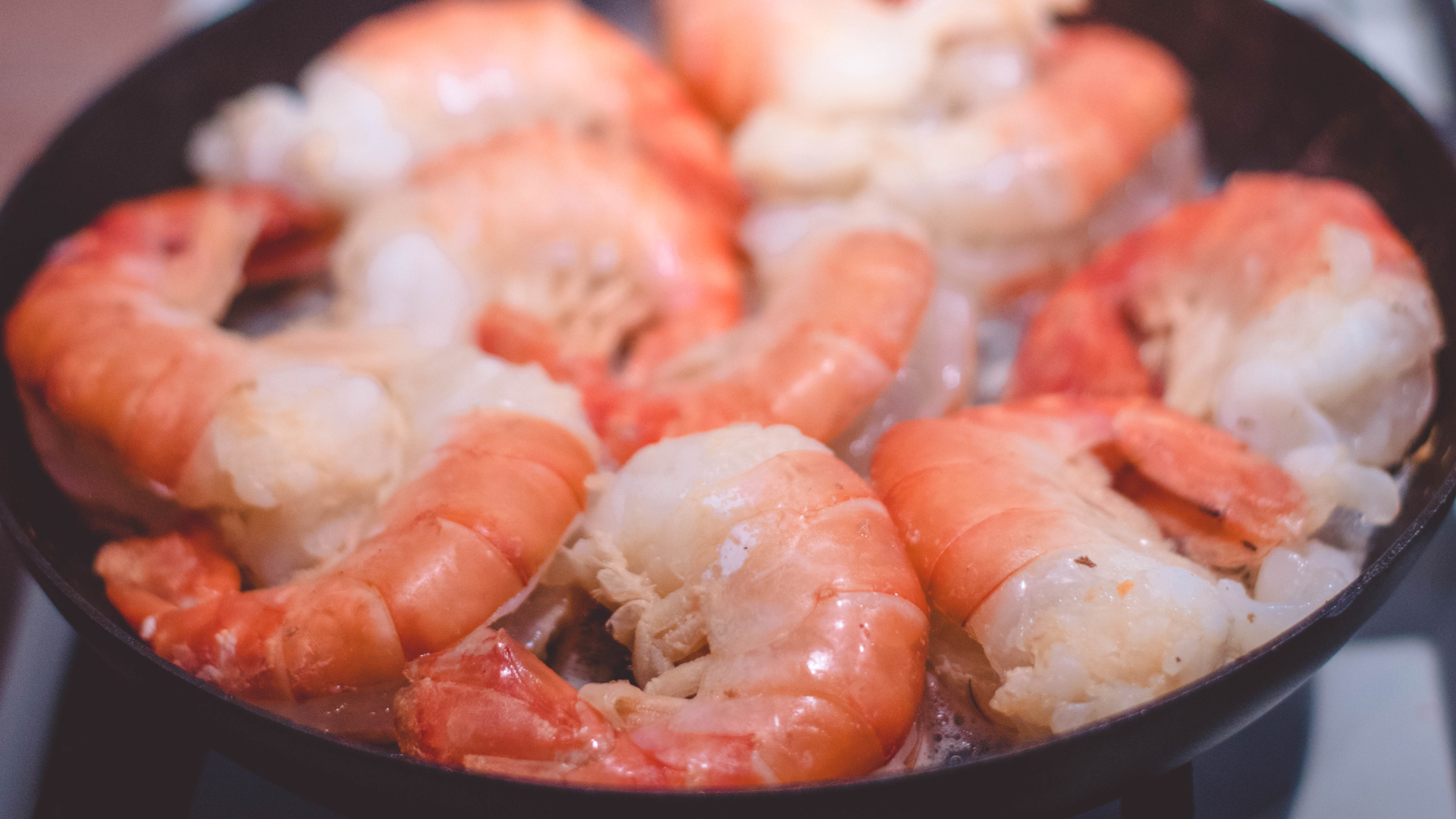
Shrimp is one of the most versatile proteins you can keep on hand. It cooks in just a few minutes, pairs beautifully with countless flavors, and can elevate everything from pasta and salads to tacos and elegant dinner party appetizers. But standing in front of the seafood case can be intimidating. Should you buy fresh or frozen? Wild-caught or farm-raised? Shell-on or peeled?
Here's everything you need to know to buy shrimp with confidence—and prepare it like a pro.
Fresh vs. Frozen: Which Is Better?
One of the biggest surprises for home cooks is that most "fresh" shrimp at the seafood counter was actually previously frozen and thawed before being displayed.
Unless you live near the coast and have access to truly fresh local shrimp, buying frozen is often the smarter choice.
Frozen shrimp offers several advantages:
It's frozen shortly after being caught, preserving freshness.
You can thaw only what you need.
It typically costs less than thawed shrimp sold at the seafood counter.
It has a longer freezer life—up to six months when properly stored.
If you do buy shrimp from the seafood counter, ask your fishmonger when it was thawed. It's best to cook thawed shrimp within a day or two.
Shell-On, Peeled, or Peeled & Deveined?
You'll also notice several preparation options when shopping for shrimp.
Shell-on shrimp are usually the least expensive because they require the least processing. Many cooks believe the shells help retain moisture and add flavor during cooking, especially when grilling or roasting.
Peeled shrimp save a little prep time and are a good middle-ground option.
Peeled and deveined shrimp offer the ultimate convenience. Since someone else has already done the peeling and cleaning for you, they're ready to cook after thawing. That convenience usually comes at a slightly higher price, but for busy weeknights or entertaining, many home cooks find the extra cost well worth it.
Wild-Caught vs. Farm-Raised
Another choice you'll encounter is whether to buy wild-caught or farm-raised shrimp.
Wild-Caught Shrimp
Wild shrimp are harvested from oceans and coastal waters. Many cooks prefer them because they often have:
A firmer texture
A sweeter, more complex flavor
More natural color variation
Wild shrimp can cost more depending on the season and where they were harvested.
Farm-Raised Shrimp
Farm-raised shrimp account for the majority of shrimp sold in grocery stores today.
High-quality farms produce excellent shrimp that are:
More consistently sized
Available year-round
Usually less expensive
If possible, look for responsibly farmed shrimp certified by reputable sustainability organizations.
What Does Shrimp Cost?
Prices vary by region, season, and size, but as a general guide:
Frozen farm-raised shrimp: typically $7–12 per pound
Frozen wild-caught shrimp: about $12–18 per pound
Fresh seafood-counter shrimp: often $15–25 per pound or more
Buying larger bags of frozen shrimp during sales is one of the best ways to save money, especially if you entertain often.
Understanding Shrimp Sizes
Shrimp aren't labeled "small," "medium," or "large" consistently. Instead, you'll often see numbers like:
16/20 – Extra large (16–20 shrimp per pound)
21/25 – Large
31/40 – Medium
41/50 – Small
The lower the number, the bigger each shrimp.
Larger shrimp make beautiful appetizers or grilled entrées, while medium shrimp are perfect for pasta, stir-fries, salads, and shrimp cocktails.
How to Peel Shrimp
If you've purchased shell-on shrimp, peeling is simple.
Pull off the legs.
Starting underneath, gently crack the shell with your thumbs.
Peel away the shell from the body.
Leave the tail on for appetizers if desired, or remove it for pasta and other dishes.
Many recipes call for peeled shrimp, but cooking shrimp in the shell can help retain moisture and add flavor.
How to Devein Shrimp
The dark line running along the back is the shrimp's digestive tract.
While it's not harmful to eat, removing it improves appearance and texture.
To devein:
Use a small paring knife or kitchen shears.
Make a shallow cut along the back.
Lift out the dark vein with the tip of the knife or rinse it away under cold water.
Even try using a paper towel to wipe the vein away.
Even if you've purchased peeled shrimp, check occasionally to make sure the vein has been completely removed.
How to Clean Shrimp
After peeling and deveining:
Rinse the shrimp briefly under cold running water.
Pat dry thoroughly with paper towels.
Dry shrimp sear much better than wet shrimp, helping you achieve that delicious golden color instead of steaming them.
Don't Overcook Them!
Shrimp cook incredibly fast—usually just 2 to 3 minutes per side, depending on size.
They're done when they:
Turn opaque
Curl into a gentle "C" shape
Reach an internal temperature of 145°F
If they curl into a tight "O," they're likely overcooked and may become rubbery.
A Great Ingredient for Easy Entertaining
Shrimp may look elegant on the plate, but they're actually one of the easiest proteins to prepare. Keeping a bag of frozen shrimp in your freezer means you're always just minutes away from a delicious dinner or an impressive appetizer for unexpected guests.
Whether you're serving shrimp scampi, tacos, pasta, grilled skewers, or a classic shrimp cocktail, knowing how to buy and prepare shrimp will help you cook with confidence—and entertain with ease.
Enjoy!