The Kitchen Herb Garden: Fresh Flavor Just Steps Away
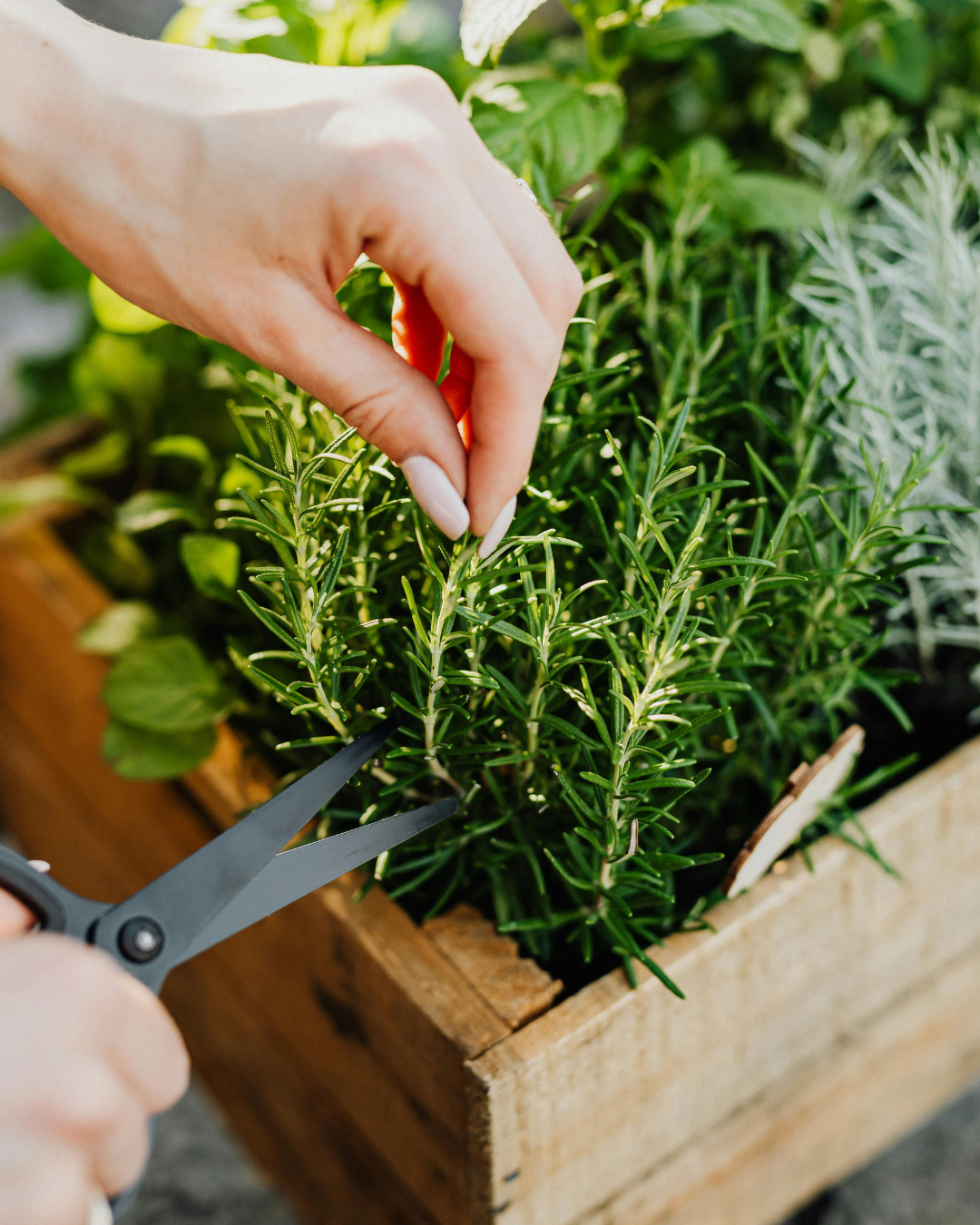
Starting and maintaining an herb garden is easy and very rewarding!
There’s something undeniably satisfying about stepping outside—or simply reaching toward a sunny windowsill—and snipping a handful of fresh herbs moments before dinner.
A container herb garden is one of the easiest and most rewarding ways to grow food at home. You don't need a large backyard, raised beds, or years of gardening experience. A few pots, some sunshine, and a little attention can provide fresh herbs for months while adding beauty and fragrance to your outdoor entertaining spaces.
At Small Kitchen, Big Entertaining, we're always looking for simple ways to elevate everyday cooking. Few things accomplish that faster than fresh basil on a summer tomato salad or freshly snipped chives scattered over roasted potatoes.
Why Every Home Cook Should Grow Herbs
Fresh herbs are one of the most expensive items in the produce aisle—and often the most underused. You buy a bunch of parsley for one recipe, use a few sprigs, and watch the rest wilt in the refrigerator.
Growing your own changes everything.
A container herb garden gives you:
Fresh flavor whenever you need it
Better-tasting meals and cocktails
Beautiful greenery for patios, decks, and balconies
Easy access while cooking
A low-maintenance introduction to gardening
Even if your outdoor space is limited, a few containers can produce an impressive harvest.
Planning Your Container Herb Garden
Before buying plants, think about how you cook.
Do you make homemade pasta sauces? Love grilled chicken? Mix summer cocktails? The herbs you use most often should be the first ones you plant.
Most herbs thrive when they receive:
Six to eight hours of sunlight daily
Containers with drainage holes
High-quality potting mix
Consistent watering
Choose pots that are large enough to allow roots to develop. While herbs don't require enormous containers, they perform best when they aren't overcrowded.
A Note About Placement
One of the biggest secrets to success is convenience.
Place your herb containers close to the kitchen door, near an outdoor dining area, or along a patio where you'll see them every day. Herbs that are easy to reach are more likely to be harvested—and enjoyed.
Five Essential Herbs for the Container Garden
If you're just getting started, these five herbs are dependable, versatile, and useful in dozens of recipes.
Basil: The Star of Summer
Few herbs capture the taste of summer like basil.
Whether you're making pesto, caprese salad, homemade pizza, or pasta sauce, fresh basil brings bright flavor that dried basil simply can't match.
To grow basil successfully:
Plant after all danger of frost has passed
Give it full sun
Keep soil consistently moist
Pinch off flower buds to encourage more leaf production
Regular harvesting actually helps basil grow fuller and bushier.
Entertaining Tip
Place a pot of basil near your outdoor dining table. Guests love brushing past the leaves and enjoying the aroma while dining outdoors.
Rosemary: The Fragrant Workhorse
Rosemary is both beautiful and practical.
Its woody stems and evergreen foliage make it one of the most attractive herbs for container gardening. It also pairs beautifully with roasted vegetables, potatoes, chicken, lamb, and breads.
Rosemary prefers:
Full sun
Excellent drainage
Slightly drier soil than many other herbs
One of the most common mistakes gardeners make is overwatering rosemary. Allow the soil surface to dry slightly between waterings.
Entertaining Tip
Fresh rosemary sprigs make elegant garnishes for cocktails, charcuterie boards, and serving platters.
Oregano: The Mediterranean Essential
If you enjoy Italian or Mediterranean cooking, oregano deserves a place in your herb garden.
Oregano thrives in containers and often becomes more flavorful as the season progresses.
For best results:
Plant in full sun
Use well-draining soil
Avoid excessive fertilizer
Like rosemary, oregano prefers slightly lean conditions. Too much fertilizer can actually reduce flavor.
Entertaining Tip
Fresh oregano is wonderful sprinkled over grilled vegetables, homemade pizza, salads, and summer tomato dishes.
Parsley: The Most Versatile Herb
Parsley may be one of the most underrated herbs in the garden.
Far more than a garnish, parsley adds freshness to soups, salads, marinades, grain dishes, and seafood recipes.
Parsley grows well in containers and tolerates partial shade better than many herbs.
To keep it productive:
Water consistently
Harvest outer stems first
Remove yellowing leaves as needed
Flat-leaf parsley is often preferred for cooking because of its stronger flavor.
Entertaining Tip
A handful of chopped parsley can instantly brighten serving platters and add restaurant-quality presentation to home-cooked meals.
Chives: The Easy Grower
For beginning gardeners, chives may be the perfect herb.
They're hardy, productive, attractive, and forgiving.
Chives produce slender green leaves with a mild onion flavor that complements:
Eggs
Potatoes
Cream sauces
Salads
Dips
Simply snip what you need and they'll continue producing throughout the season.
Entertaining Tip
Purple chive blossoms are edible and make beautiful garnishes for spring and summer gatherings.
Tending Your Herb Garden
The good news is that herbs generally require less maintenance in the garden than many vegetables.
Water Consistently
Container gardens dry out faster than traditional garden beds.
Check soil regularly and water when the top inch feels dry. During hot summer weather, some containers may need daily watering.
Harvest Often
The more you harvest, the more herbs produce.
Regular trimming encourages fresh growth and prevents plants from becoming leggy.
Feed Lightly
Most herbs don't require heavy fertilization.
A diluted liquid fertilizer every few weeks is usually sufficient for healthy growth.
Watch for Flowers
While flowering herbs can be beautiful, many become less flavorful after blooming.
Pinching off flower buds—especially on basil—helps keep plants focused on producing leaves.
Bringing the Garden to the Table
One of the greatest pleasures of growing herbs is using them immediately after harvest.
A simple dinner becomes something special when you finish it with herbs you've grown yourself.
Snip basil for a tomato salad. Add rosemary to roasted potatoes. Scatter parsley over grilled fish. Sprinkle chives onto deviled eggs. Toss oregano into a homemade vinaigrette.
These small touches bring freshness, color, and flavor to everyday meals and memorable gatherings alike.
And perhaps that's the real beauty of a container herb garden: it doesn't just grow herbs—it helps create the kind of simple, welcoming hospitality that turns a meal into an occasion.
Grow … and enjoy!