Cooking Oils 101: How to Choose the Right Oil for Every Recipe
From Sautéing to Baking, the Right Oil Can Make All the Difference
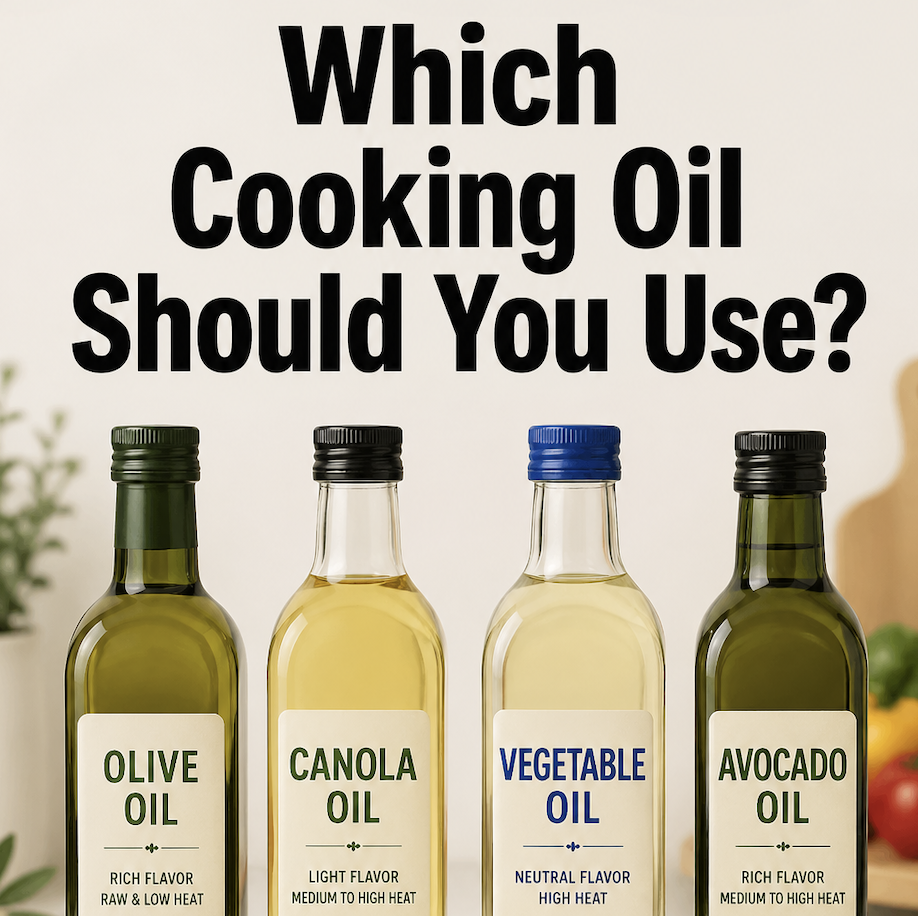
Ensure you choose the right cooking oil for all your recipes!
If you’ve ever stood in the grocery store staring at the wall of cooking oils, wondering whether you really need olive oil, avocado oil, canola oil, or coconut oil, you’re not alone. The good news? You don’t need a dozen different bottles crowding your kitchen. But understanding the strengths of a few key oils can make a big difference in how you cook—and how your food turns out.
For home cooks who love to entertain, choosing the right oil is one of those small details that can elevate a meal. Different oils bring different flavors, textures, and cooking properties to the table. And in a small kitchen, where every ingredient needs to earn its shelf space, versatility matters.
First: What Makes One Oil Different From Another?
There are three main things that set cooking oils apart:
Flavor—Some oils are neutral, while others add a distinct, almost fruity, taste.
Smoke point—This is the temperature at which an oil begins to smoke and break down.
Best use—Certain oils shine in salad dressings, while others are better for roasting, sautéing, or frying.
Once you know these basics, choosing the right oil becomes much easier.
The Essential Cooking Oils You Should Know
Extra-Virgin Olive Oil
The workhorse of many kitchens, extra-virgin olive oil has a rich, fruity flavor that’s perfect for everyday use. It’s ideal for salad dressings, dipping bread, drizzling over finished dishes, and gentle sautéing. Think of it as your go-to oil for flavor.
Best for:
Salad dressings
Marinades
Finishing dishes
Low- to medium-heat cooking
Avocado Oil
If olive oil is your flavorful all-purpose option, avocado oil is its high-heat cousin. It has a mild, buttery taste and one of the highest smoke points of any common cooking oil, making it excellent for searing, roasting, and grilling.
Best for:
High-heat sautéing
Roasting vegetables
Searing meats
Grilling
Canola Oil
Neutral in flavor and budget-friendly, canola oil is a practical choice for baking, frying, and recipes where you don’t want the oil itself to stand out. It’s especially useful when cooking for a crowd.
Best for:
Baking
Pan-frying
Deep-frying
General cooking
Vegetable Oil
Similar to canola, vegetable oil is another neutral, versatile option. It’s often the best choice for recipes that call simply for “oil,” especially in cakes, muffins, and quick breads.
Best for:
Baking
Frying
Large-batch cooking
Coconut Oil
Coconut oil adds a subtle sweetness and tropical aroma. It’s solid at room temperature, which can make it particularly useful in certain baked goods. It’s wonderful when you want a hint of coconut flavor, but less ideal for savory dishes where neutrality is preferred.
Best for:
Baking
Granola
Certain curries
Sweet treats
Sesame Oil
A little goes a long way with this oil. Toasted sesame oil is less of a cooking oil and more of a finishing oil, prized for its deep, nutty flavor. Just a drizzle can transform a dish.
Best for:
Stir-fries
Noodle dishes
Marinades
Finishing Asian-inspired recipes
A Small-Kitchen Strategy for Cooking Oils
You really only need three oils to cover most of your cooking needs:
Extra-virgin olive oil for flavor and everyday use
Avocado or canola oil for high-heat cooking
Sesame oil for specialty dishes and finishing touches
That’s it. No overflowing cabinet required.
How to Store Cooking Oils
To keep oils fresh, store them in a cool, dark place away from heat and sunlight. A cabinet near the stove may be convenient, but it’s not ideal. Heat can cause oils to oxidize more quickly, leading to off flavors.
Most oils are best used within a year of opening, though delicate oils like walnut or flaxseed oil should be refrigerated and used sooner.
Final Thought about Cooking Oils
The best cooks know that ingredients are tools, and cooking oil is one of the most important tools in the kitchen. Choosing the right one can improve flavor, enhance texture, and help you cook with confidence.
So the next time you reach for a bottle of cooking oil, remember: it’s not just about preventing food from sticking. It’s about giving every dish exactly what it needs to shine.
Here are some recipes that use different oils for different reasons:
Slow-Roasted Halibut with Burst Tomatoes & Capers uses a few tablespoons of olive oil to enhance the flavor of the fish in this one-pot, delicious meal.
Salad Verte uses a lemon-shallot dressing with a few tablespoons of extra-virgin olive oil to enrich the flavor and texture.
Broiled Salmon with Creamy Basil Horseradish Sauce uses vegetable oil in a marinade for the rich, robust, already-oily salmon.
Enjoy!