Discover how butter can affect your dishes, whether you use salted or unsalted.
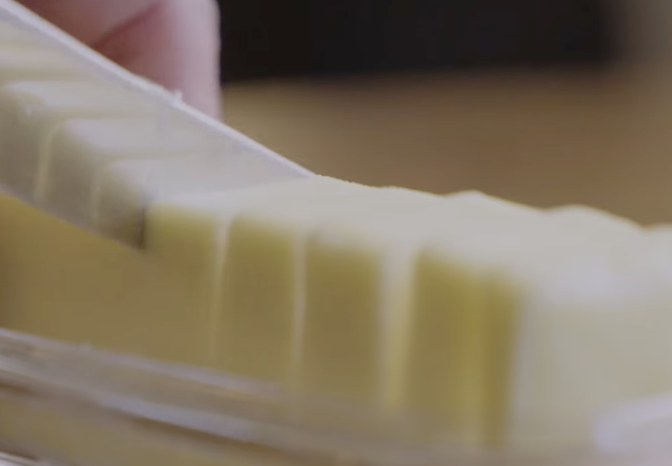
The difference between salted and unsalted butter when cookinig.
Butter feels like one of those simple ingredients—until you realize it can quietly change the outcome of everything you cook.
If you’re working in a small kitchen but love to entertain, these are the kinds of details that make your food feel intentional. The difference between salted and unsalted butter isn’t just about taste—it’s about control, consistency, and knowing how your dishes will turn out every time.
So let’s break it down in a way that actually helps when you’re standing at the stove (or prepping for guests).
First: What’s the Actual Difference between Salted and Unsalted Butter?
It’s exactly what it sounds like:
Salted butter has salt added (obviously), but the amount can vary by brand. Also, it contains more water.
Unsalted butter is just cream—no added salt, which means more fat so your recipes will turn out creamier.
That variability is where things start to matter.
Why Unsalted Butter Is the Go-To for Cooking (and Baking)
When you’re following a recipe—especially for baking—unsalted butter gives you full control over seasoning.
Think about it this way:
You decide how much salt goes into the dish
You avoid accidentally over-salting
You get more consistent results every time
In baking, this is especially important. Unsalted butter has more fat; therefore, the crumb of your baked goods will be lighter and fluffier. A little too much salt can throw off the balance of cookies, cakes, and pastries. And when you’re hosting, consistency is everything.
Where Salted Butter Shines
Salted butter isn’t the villain—it just plays a different role.
It’s perfect for:
Spreading on warm bread or rolls
Finishing vegetables or pasta
Quick, casual cooking where precision isn’t critical
It adds instant flavor without extra steps, which can be a lifesaver when you’re pulling together a last-minute appetizer board or need something to taste good fast.
Butter Storage: Fridge or Counter?
This is one of those small-kitchen questions that comes up all the time—and the answer depends on how you use butter.
Refrigerator (best for long-term storage): Keep most of your butter here, especially unsalted. It stays fresher longer and won’t pick up other flavors from your kitchen. If you buy in bulk, this is your default.
Countertop (best for everyday use): It’s perfectly safe to keep a small amount of butter on the counter in a covered butter dish—especially salted butter, which resists spoilage a bit better. Soft, spreadable butter is a game-changer when you’re serving bread or pulling together quick dishes for guests.
A good general rule: Keep one stick out, keep the rest in the fridge.
If your kitchen runs warm, just refresh that counter butter more often instead of leaving it out too long.
A Small-Kitchen Strategy for Butter
If you don’t have space to keep both types on hand, here’s a simple rule:
Keep unsalted butter as your default
Add salt yourself as needed
This gives you flexibility without cluttering your fridge.
But if you entertain often, having both isn’t a bad move—one for control, one for convenience.
A Quick Hosting Example
Let’s say you’re making a simple pasta for guests:
Start with salted butter for the sauce so you can season it properly
Finish with a small pat of unsalted butter at the end for a richer, creamier sauce without changing the flavor.
It’s a small detail—but it’s exactly the kind of thing people notice without realizing why.
Final Thoughts about Butter
Great cooking—especially in a small kitchen—isn’t about complexity. It’s about understanding your ingredients well enough to make smart, simple choices.
Salted vs. unsalted butter might seem like a minor decision, but it’s one of those behind-the-scenes details that separates “pretty good” from “that was really good.”
And when you’re entertaining, those small upgrades are what turn a meal into something memorable.
Here are some of my favorite butter-forward recipes:
Pasta Beurre Blanc for a silky, buttery, creamy meal.
Espresso Pound Cake for a rich, soft, flavorful treat.
Dulce Delights for a buttery oat-crust dessert.
Radish Bites for a buttery, peppery appetizer.
Enjoy!