Your 7-Step Guide for Hosting an Open-House Style Event
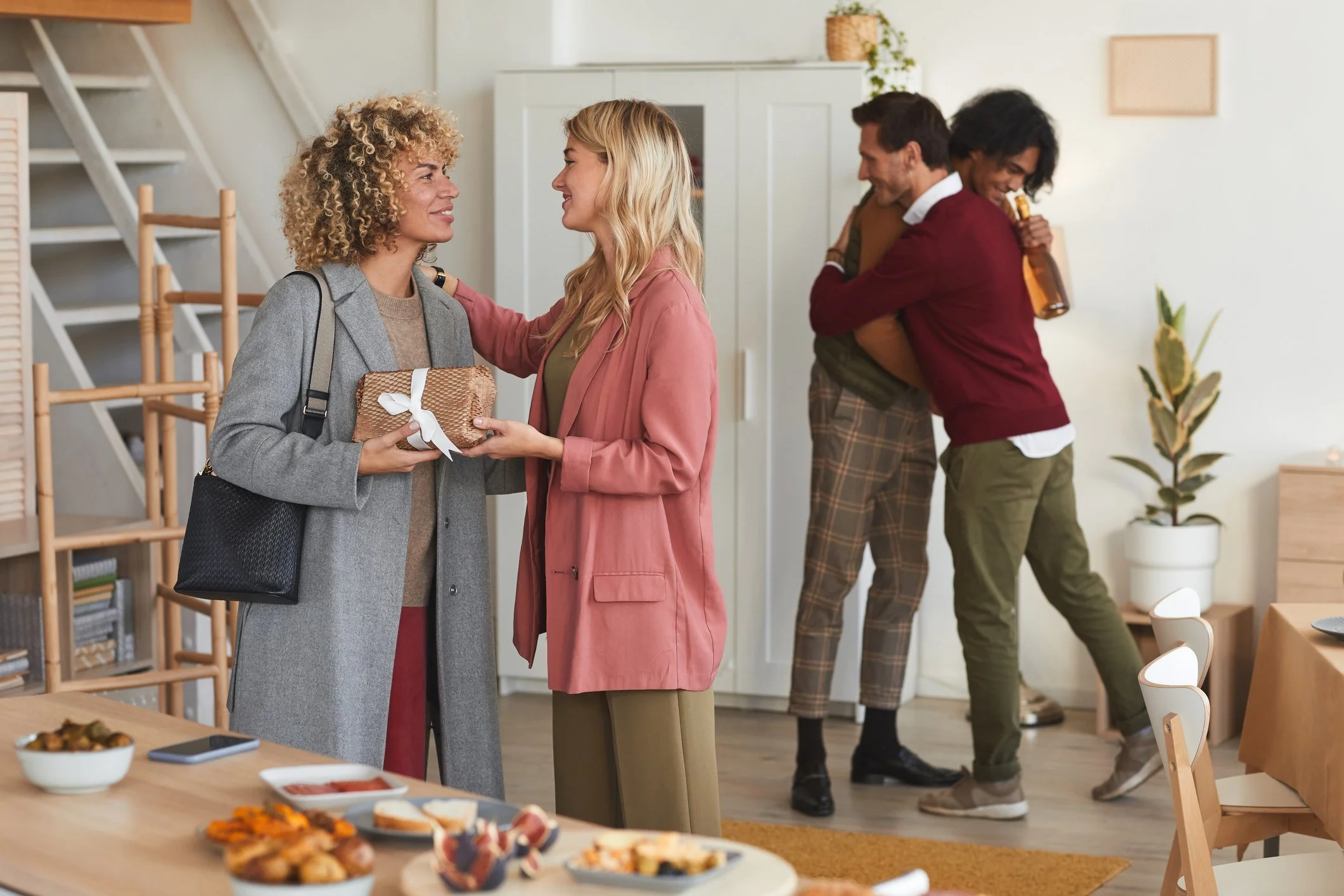
Open-house style entertaining is one of the most forgiving (and joyful!) ways to host, especially when your square footage is limited. Instead of a single start time and a seated meal, guests flow in and out over a window of time, allowing your home to breathe and your hosting duties to feel lighter. At Small Kitchen, Big Entertaining, we believe small spaces aren’t a limitation, they’re an invitation to be intentional, warm, and creative.
Here’s how to host an open-house style gathering that feels effortless, welcoming, and perfectly suited to smaller spaces.
Step #1: Why Open-House Entertaining Works So Well
Open-house events naturally stagger your guest list, which means:
Less crowding in tight areas
More opportunities for meaningful, one-on-one conversation
A calmer cooking and serving rhythm
Flexibility for both you and your guests
This style of hosting removes the pressure for you to be perfectly timed, and for guests to arrive exactly on schedule. In a small home, that flexibility is everything.
Step #2: Set the Flow Before You Set the Table
In a small space, movement matters more than furniture placement. Before planning the menu, think about how guests will move through your home.
Tips for creating good flow:
Designate one main entry point and one clear food area
Push furniture slightly toward walls to open walking paths
Use vertical space (countertops, shelves, bar carts) for serving
Remove unnecessary chairs or stools temporarily
You don’t need a perfect loop, just enough open space so guests aren’t bumping elbows every time they refill a drink.

Step #3: Build a Menu That Can Sit and Shine
The golden rule of open-house hosting: choose foods that hold up well over time. This minimizes last-minute prep and keeps you out of the kitchen once guests arrive.
Ideal open-house foods for small kitchens:
Room-temperature dips, spreads, and pâtés. My Radish Bites are an elevated option that are also easy to enjoy while standing.
Roasted vegetables or grains that taste great, warm or cool. My Vegetable Tian is the perfect vegetarian-friendly showstopper.
Bite-sized baked goods or bars. Consider my Raspberry Crumble Bars for a hint of sweetness.
Display cheese boards with sturdy crackers and roasted nuts.
Serve simple proteins like sliced roast chicken, baked ham or tofu.
Aim for assembly over cooking. Prep most items in advance, then plate or refresh as needed.

Step #4: Create One Signature Drink (and One Non-Alcoholic Option)
Instead of a full bar, which eats up precious counter space, offer one featured drink.
Examples:
A batch cocktail served in a pitcher, such as the High Heaven
Utilize a punchbowl with cups to serve a champagne punch like my French 75 or Orange Sparkler
Mulled wine or cider kept warm in a slow cooker
Sparkling water with citrus and herbs for a non-alcoholic option
Set everything up in one spot with glasses, napkins, and garnishes so guests can serve themselves without crowding the kitchen sink.
Step #5: Use Zones Instead of a Formal Dining Setup
Forget the idea that everyone needs a seat. Open-house gatherings thrive on flexibility.
Think in zones:
A standing snack area near the kitchen
A cozy corner with two chairs for conversation
A clear surface where guests can rest plates or glasses
If you have a dining table, keep it mostly clear. Think candle, flowers, plates and napkins or one shared dish so it functions as a gathering surface rather than assigned seating.
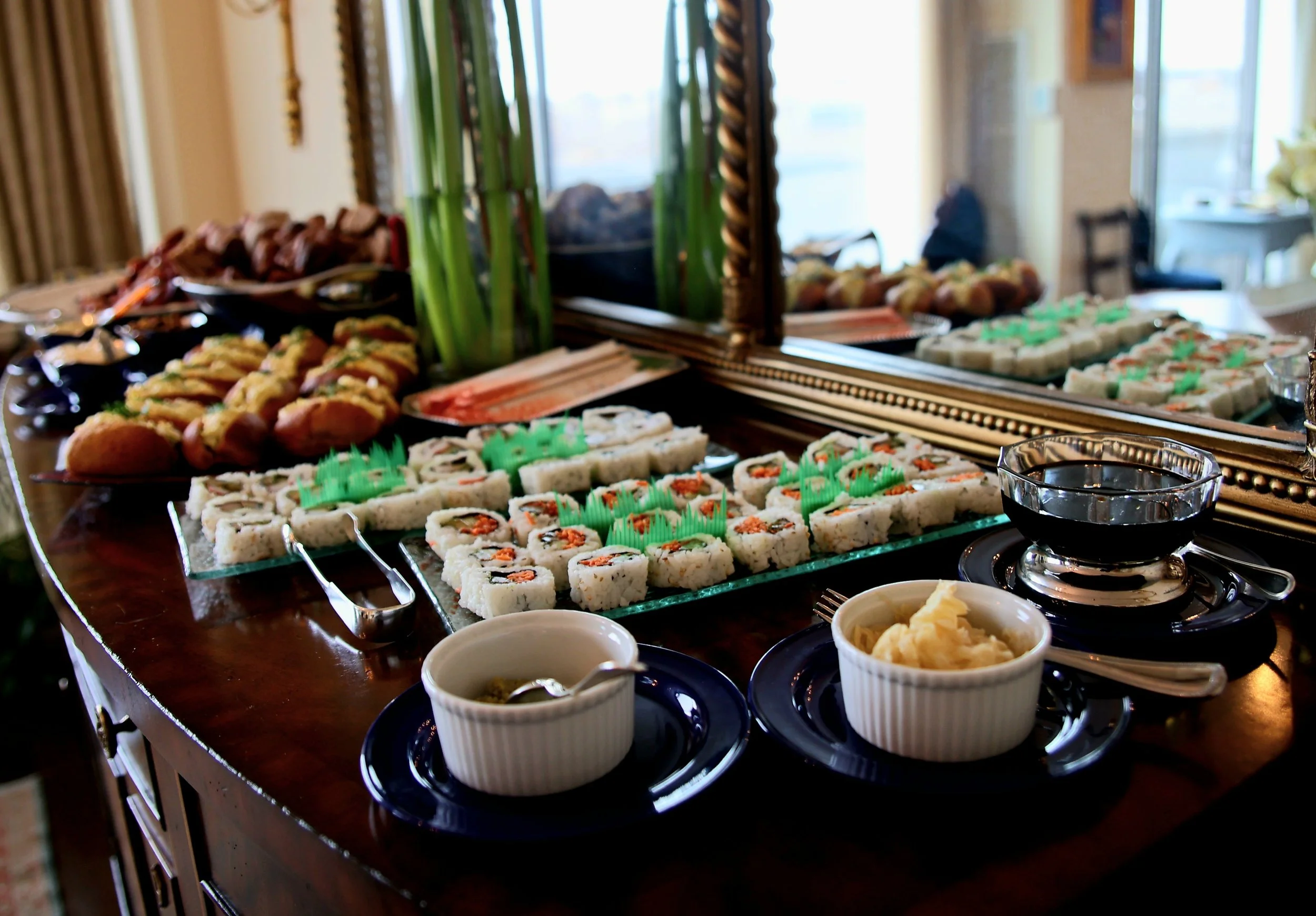
Step #6: Prep Like a Pro (Even if You’re a Beginner)
A little planning goes a long way in a small kitchen.
The day before:
Chop vegetables and store in labeled containers
Bake or assemble desserts
Set out serving platters and utensils
The day of:
Arrange food before guests arrive
Chill drinks early
Light candles and set the mood 15 minutes before start time
When everything has a place, even a tiny kitchen feels calm.
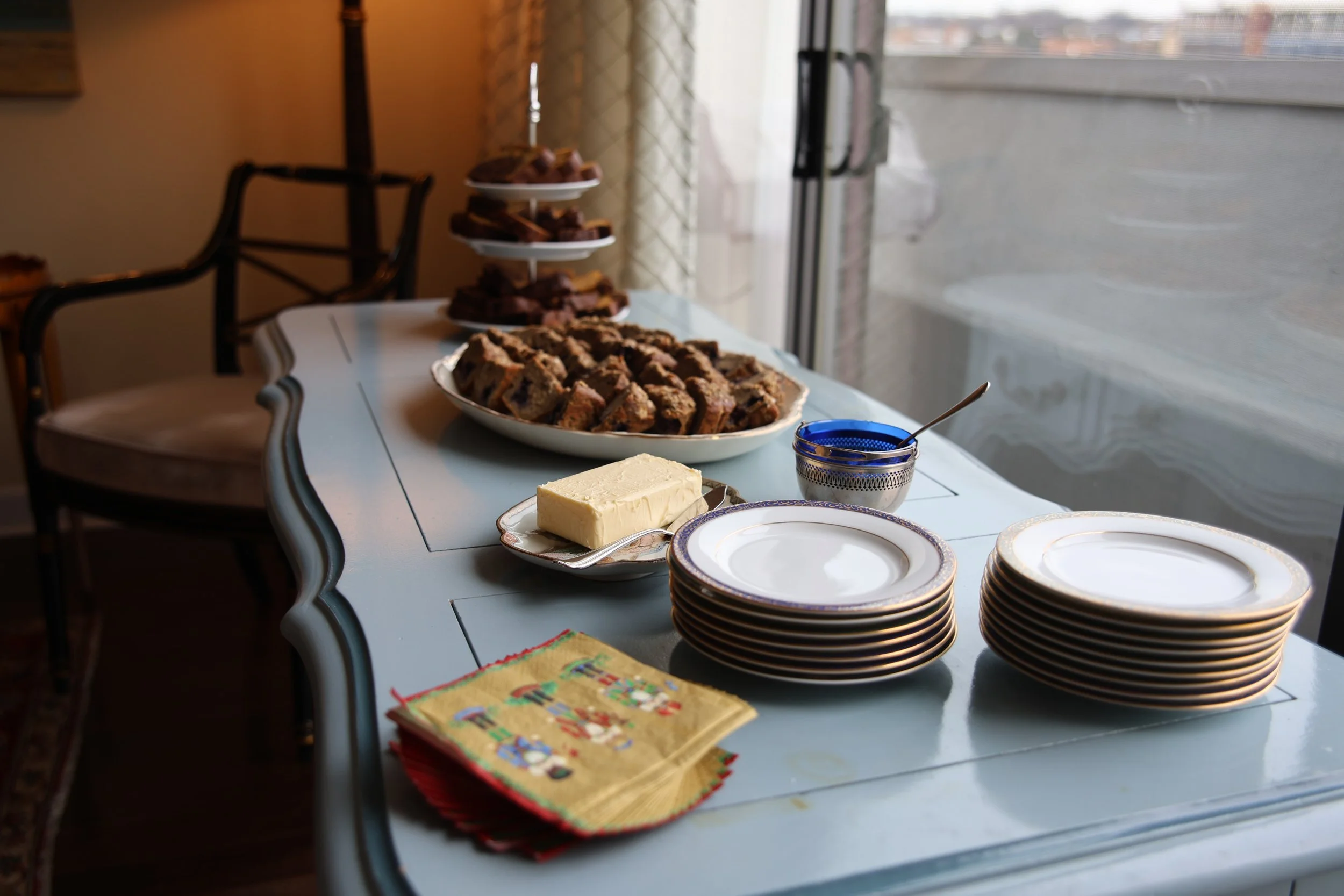
Step #7: Maximize the Intimacy of Small Spaces
Some of the best conversations happen when people are close enough to hear each other without raising their voices. Small homes naturally encourage connection, and an open-house format lets those connections happen naturally.
Don’t apologize for your space. Let guests gather in the kitchen, linger by the counter, and perch wherever they find comfort. That’s where the magic lives.
The Big Takeaway
Hosting an open-house style event in a small space isn’t about doing more, it’s about doing less, but doing it better. With thoughtful flow, make-ahead food, and an open door (both literally and figuratively), your small kitchen can host a big, memorable gathering.
At Small Kitchen, Big Entertaining, we know that hospitality isn’t measured in square footage. It’s measured in how welcome and seen people feel when they arrive.
